loader

Gamr

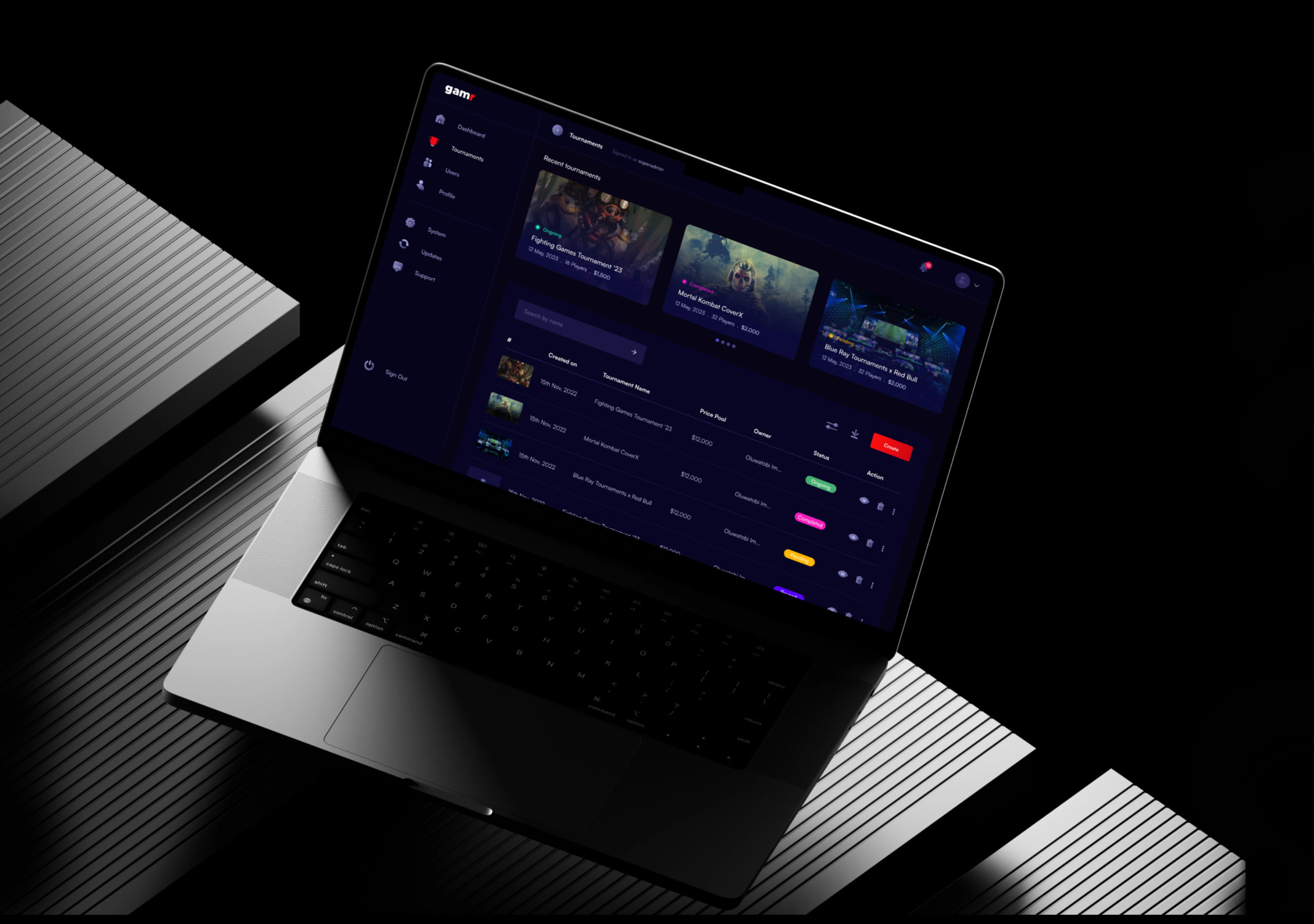
Gamr is a gaming platform built for gaming enthusiasts across the African continent. Gaming is more than just a pastime it’s a vibrant culture that connects people, fuels imagination, and pushes the boundaries of technology. To enhance this experience, Gamr introduced Bracket, a web-based product designed to simplify tournament organization, participation, and real-time tracking.
The Bracket system was developed to align with Gamr’s existing tournament capabilities, providing organizers and players with a seamless experience for creating, managing, and engaging in tournaments. It also supports features like referrals, live updates, and real-time community interaction.

Client
Gamr
Year
2023
Category
Gaming
Platforms
Web Application, Landing Page
Live Project

PROBLEM

Competitive gaming in Africa was growing rapidly, but no structured platform allowed players to easily discover tournaments, compete, track performance, and earn prize money in a secure, organized way.

Gamers relied on fragmented systems such as WhatsApp groups, spreadsheets, manual brackets, and informal payment transfers. This created several issues:

• Poor tournament organization and manual bracket management

• Lack of transparency around prize payouts

• No centralized player identity or performance tracking

• Limited trust in payment processing

• High administrative workload for tournament organizers

As a result, engagement was inconsistent, scalability was limited, and monetization opportunities were constrained.

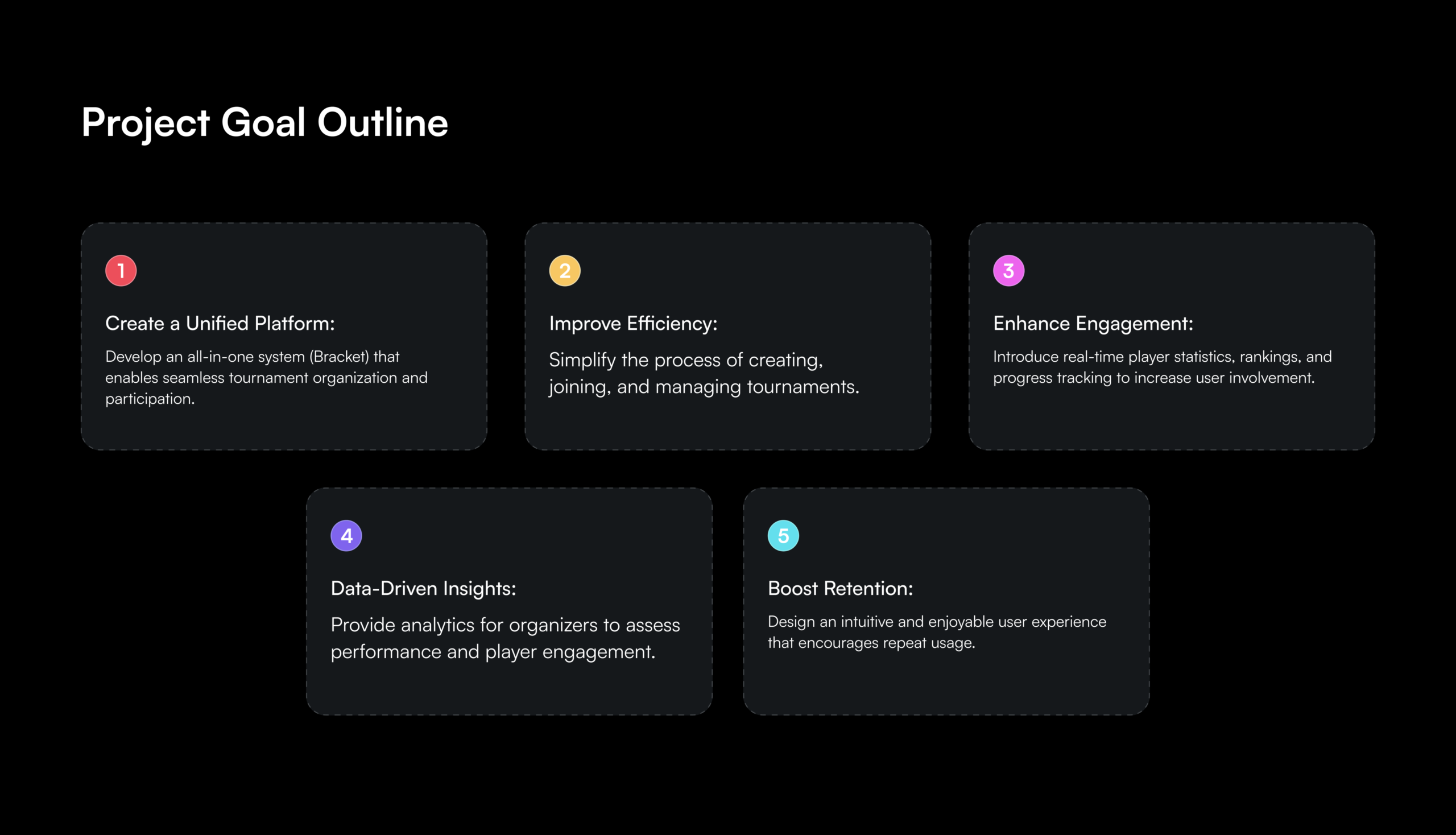
PROJECT GOALS

The goal was to design a unified gaming ecosystem that:
• Enables players to discover and join tournaments seamlessly
• Automates bracket generation and tournament progression
• Supports secure prize payouts
• Creates a performance-driven player profile system
• Scales across multiple games and regions

The long-term objective was to position Gamr as the leading esports tournament infrastructure platform in Africa.

RESEARCH

To validate the product opportunity and ground design decisions in real user needs, I conducted both quantitative and qualitative research across two primary user groups: tournament organizers and esports players.

The objective was to understand behavioral patterns, operational inefficiencies, motivational drivers, and platform expectations within competitive gaming communities.

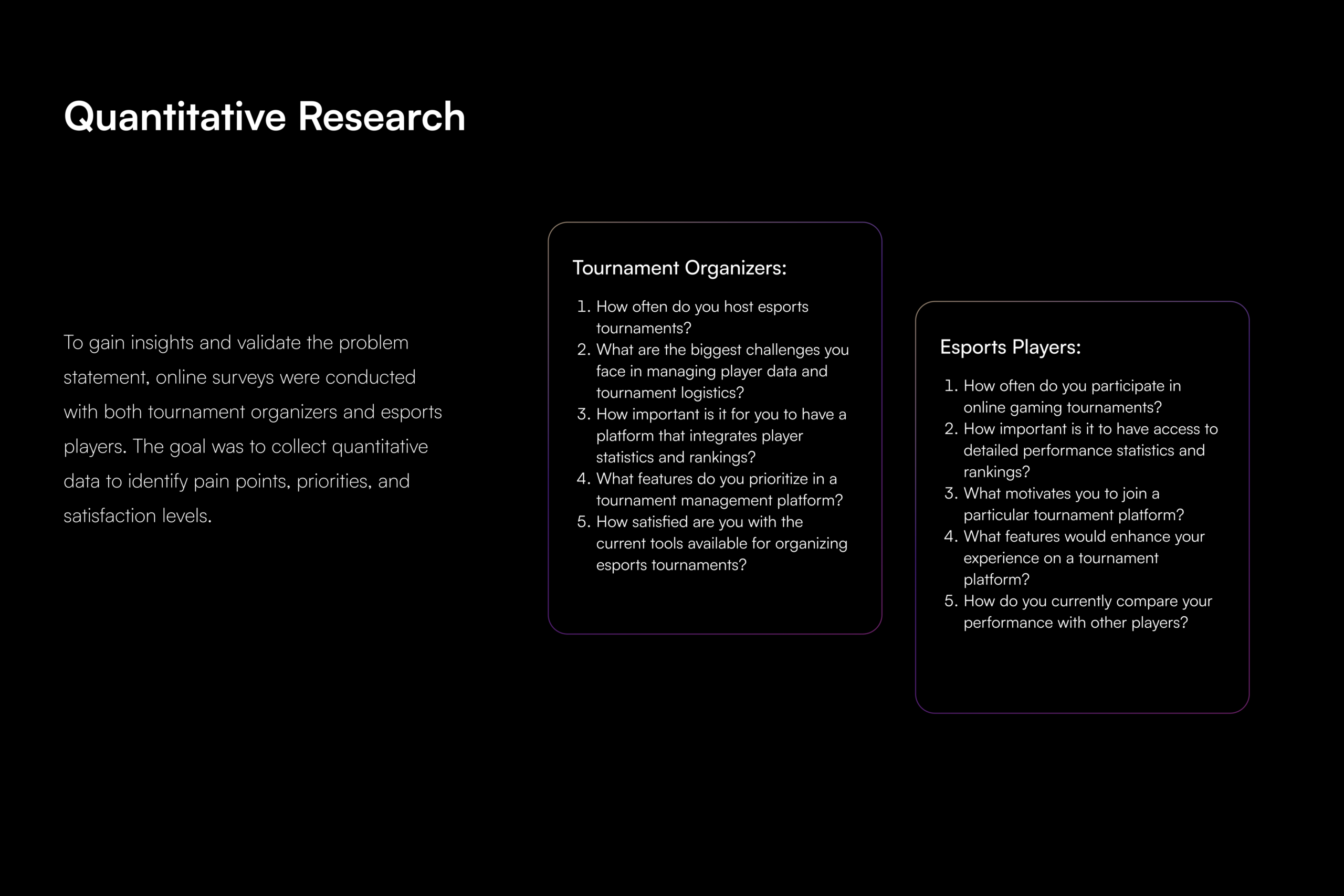
Quantitative Research

To establish measurable patterns, structured survey questions were distributed to both organizers and players. The goal was to gather statistically relevant insights about tournament workflows, participation habits, and satisfaction levels with existing tools.

The survey focused on:

• How organizers currently manage tournament logistics

• The biggest operational bottlenecks in competition management

• Player discovery and participation behavior

• Performance tracking expectations

• Satisfaction with current bracket systems

Key Quantitative Insights

• A significant portion of organizers relied on manual processes for score tracking and bracket updates.

• Many players reported difficulty understanding tournament progression structures.

• Registration flows were frequently described as time-consuming or unclear.

• Access to real-time rankings was identified as a strong motivator for repeat participation.

• Both groups expressed dissatisfaction with mobile usability in existing bracket platforms.

These findings validated the need for automation, mobile optimization, and improved visibility across tournament workflows.


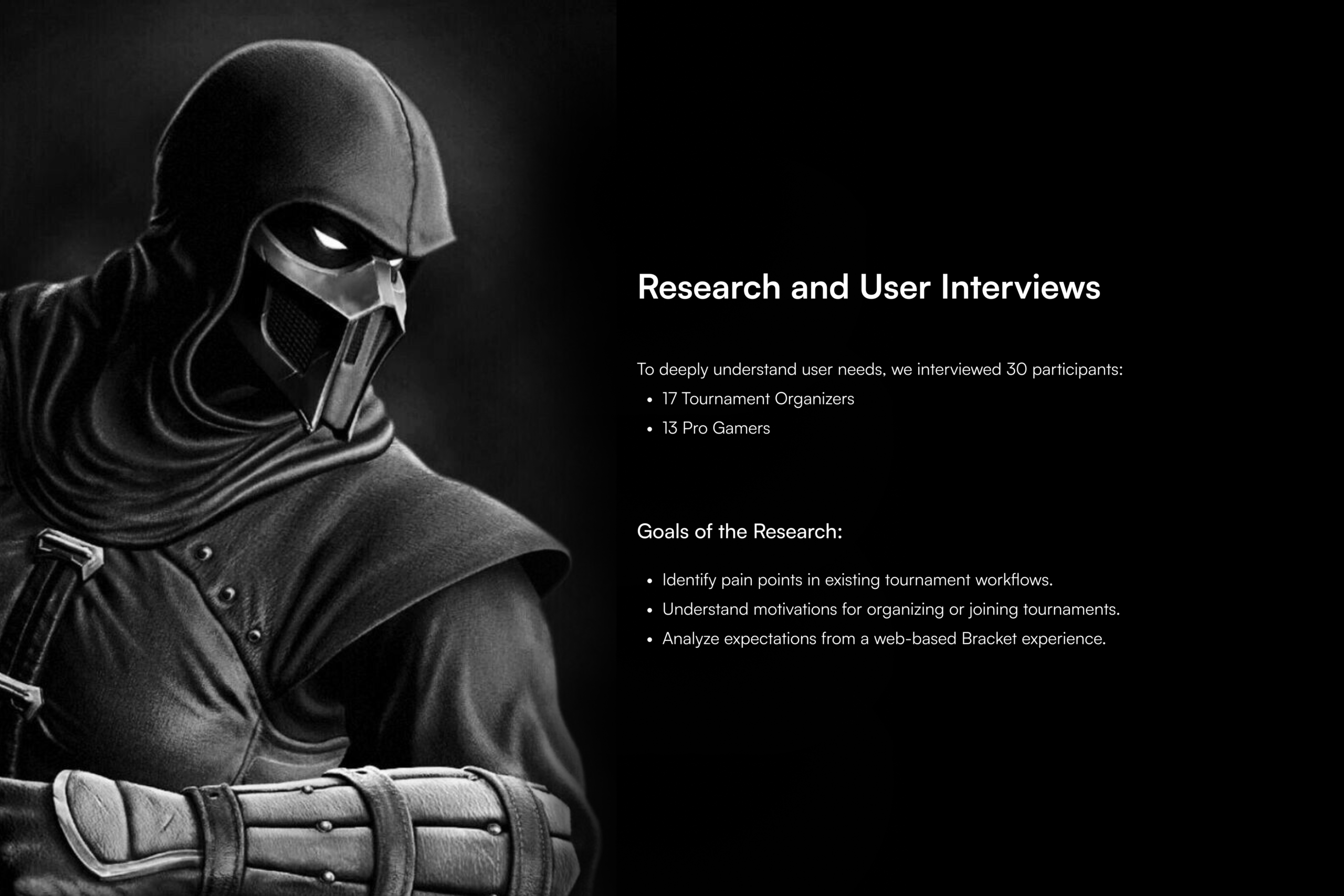
Research and User Interviews

To deepen contextual understanding, I conducted in-depth interviews with 30 participants:

• 17 Tournament Organizers

• 13 Competitive Gamers

The goal was to explore motivations, frustrations, and expectations beyond surface-level survey data.

Research Objectives

• Identify inefficiencies in tournament setup and management.

• Understand emotional drivers behind competitive participation.

• Evaluate expectations for a web-based bracket and tournament system.

• Discover gaps between organizer tools and player experiences.

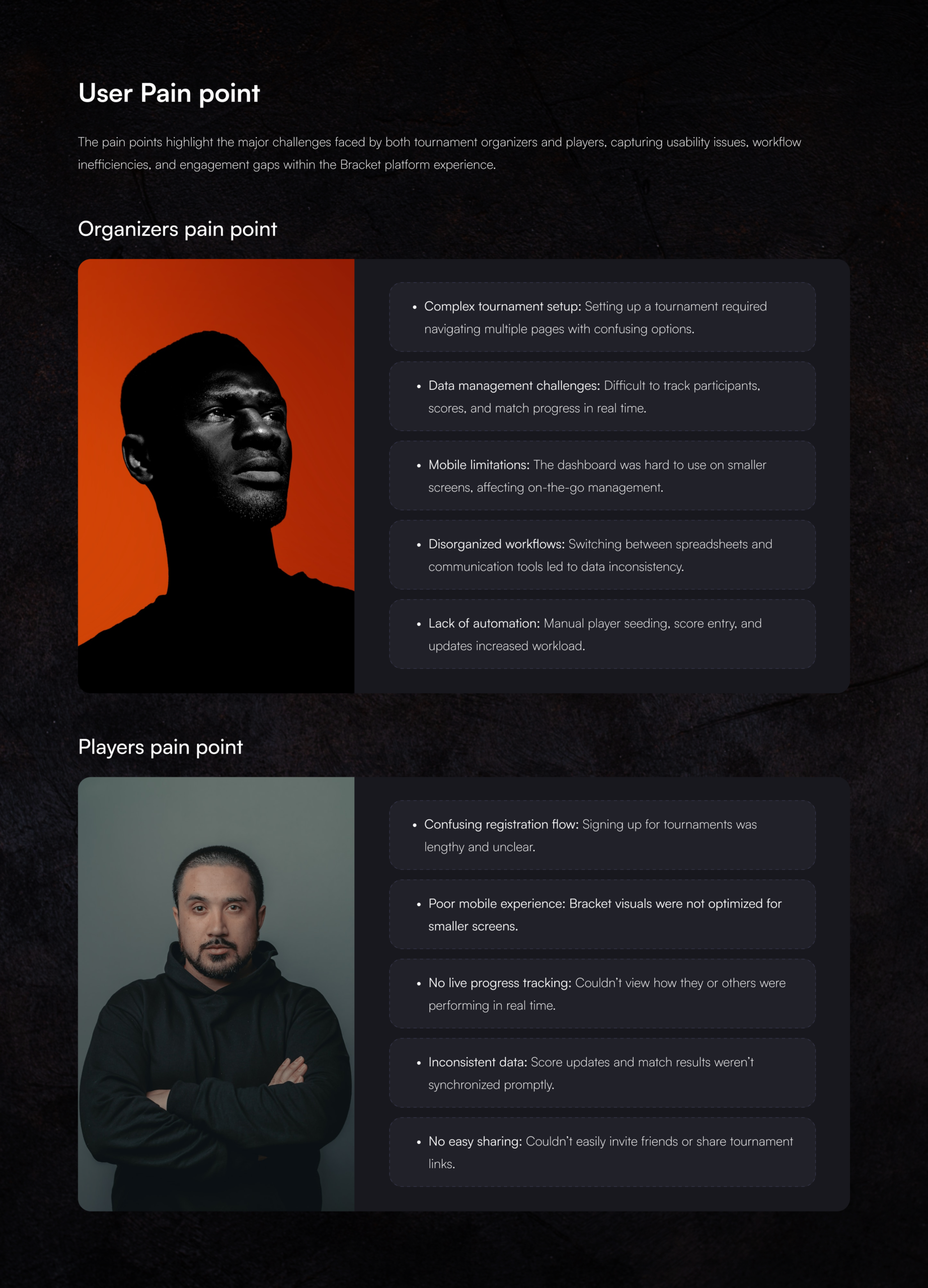
Organizer Pain Points

• Tournament configuration required navigating multiple steps without clear guidance.

• Tracking participant scores and results was error-prone.

• Switching between spreadsheets and messaging platforms led to workflow fragmentation.

• Limited automation increased the administrative workload.

• Dashboard experiences were not optimized for smaller screens.

Player Pain Points

• Registration processes felt lengthy and unintuitive.

• Bracket visualization was difficult to interpret on mobile devices.

• Real-time match updates were inconsistent.

• There was no centralized performance dashboard.

• Sharing tournament links or inviting peers was cumbersome.

SOLUTIONS

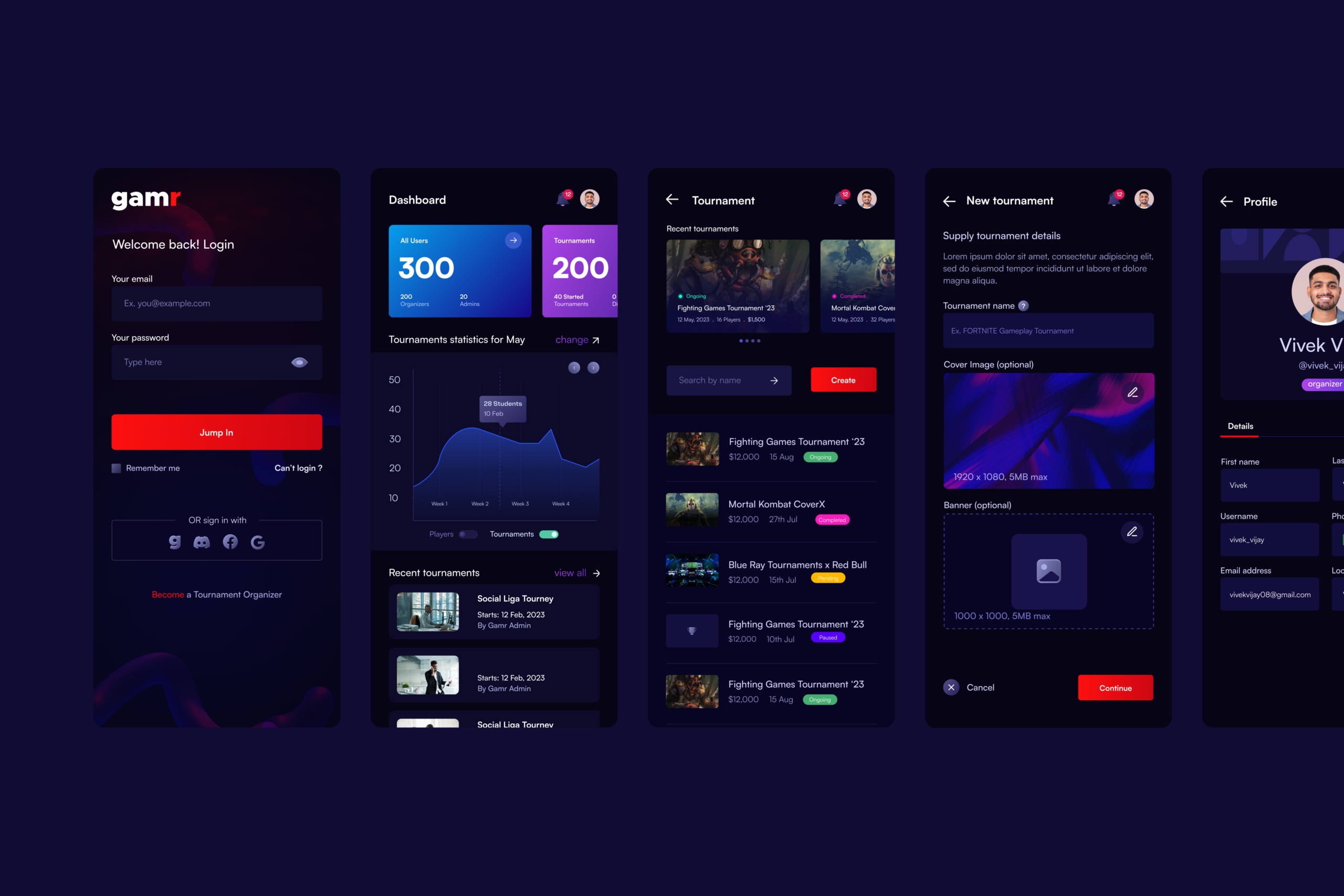
Bracket was designed as a centralized web-based tournament management system that simplifies setup, automates progression, and provides real-time operational visibility. The platform transforms tournament organization from a fragmented manual process into a structured and scalable workflow.

The goal was to transform tournament management from a manual, error-prone process into a scalable, data-driven system that supports both small community competitions and large esports events.

Below is a breakdown of the core solutions implemented within Bracket.

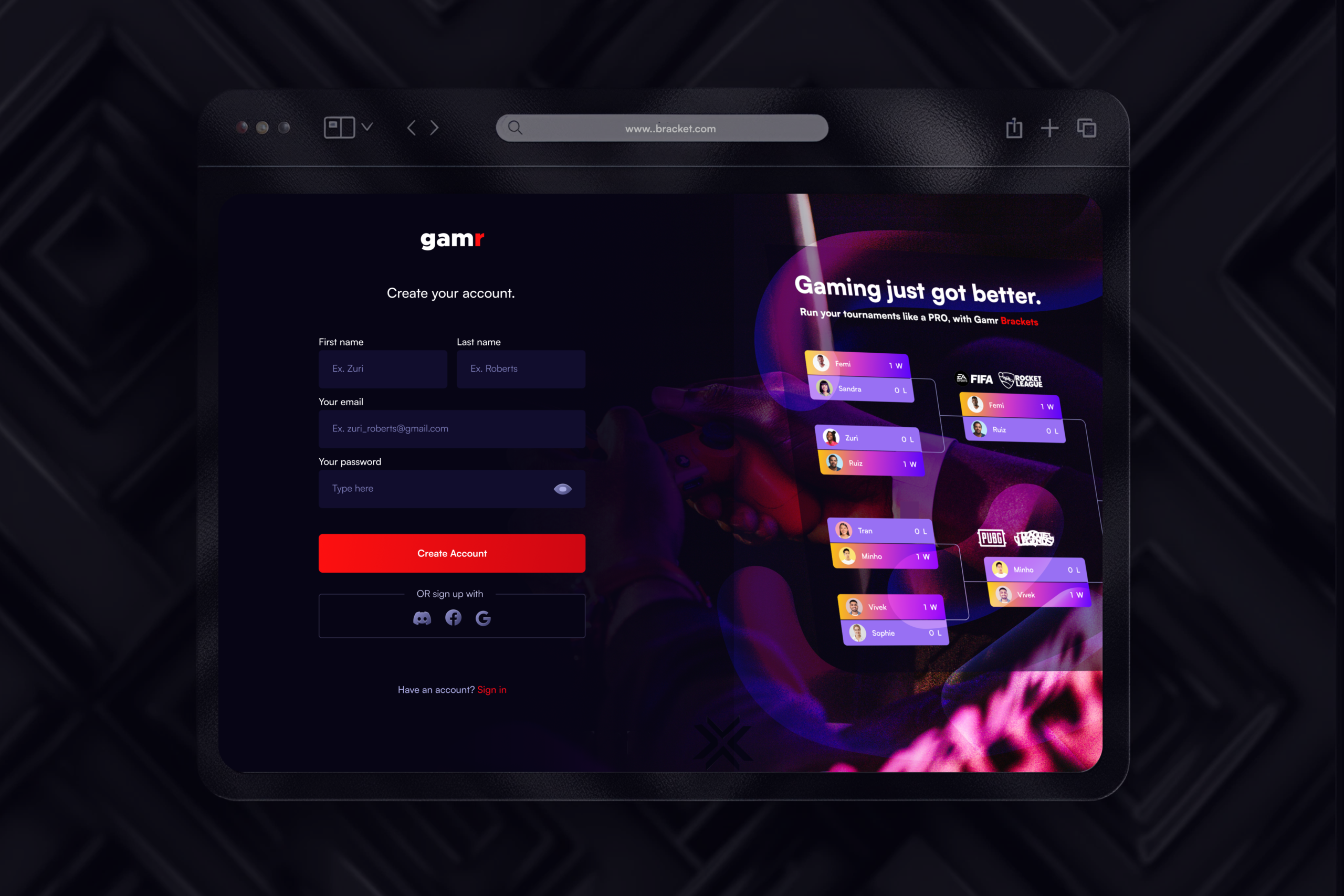
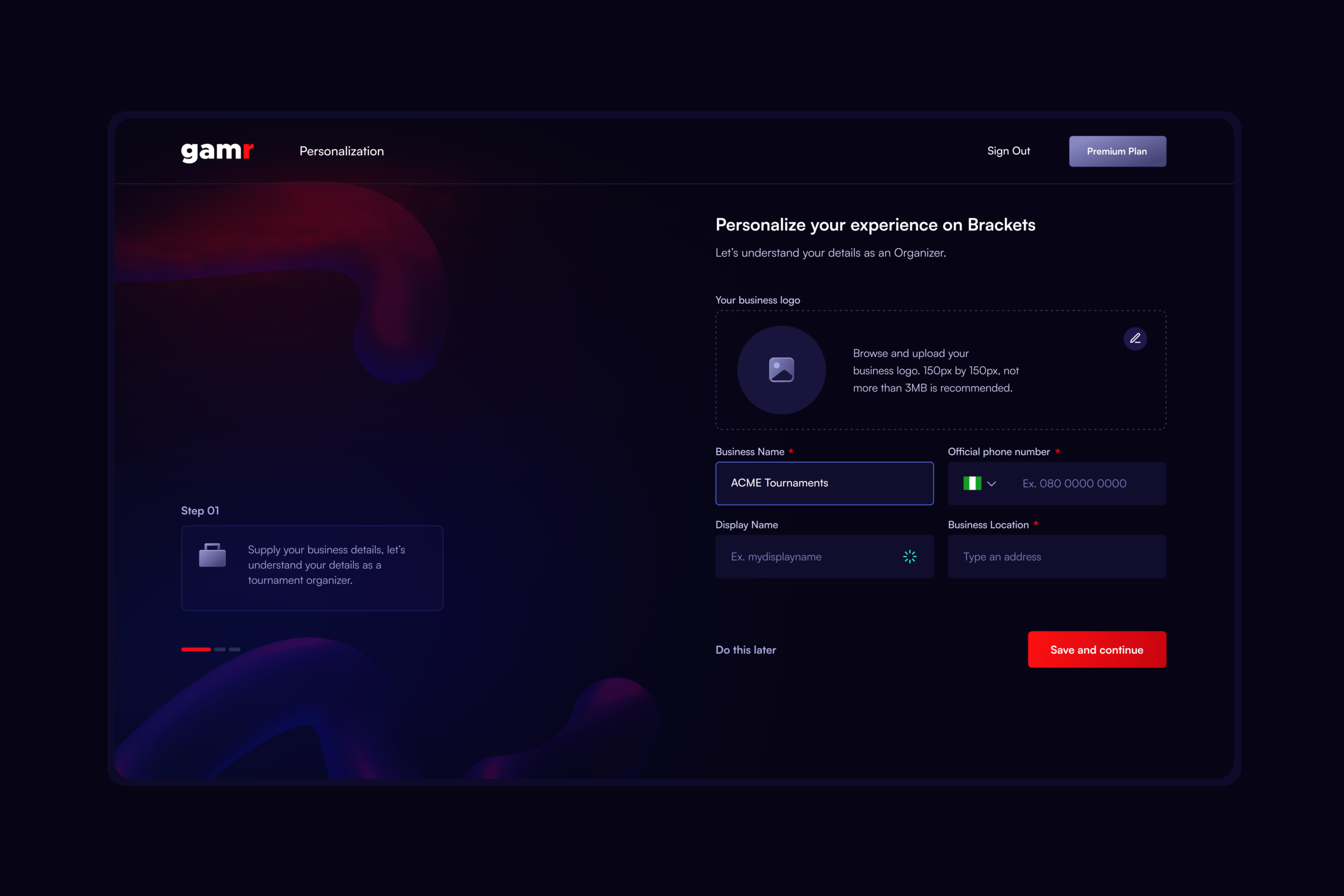
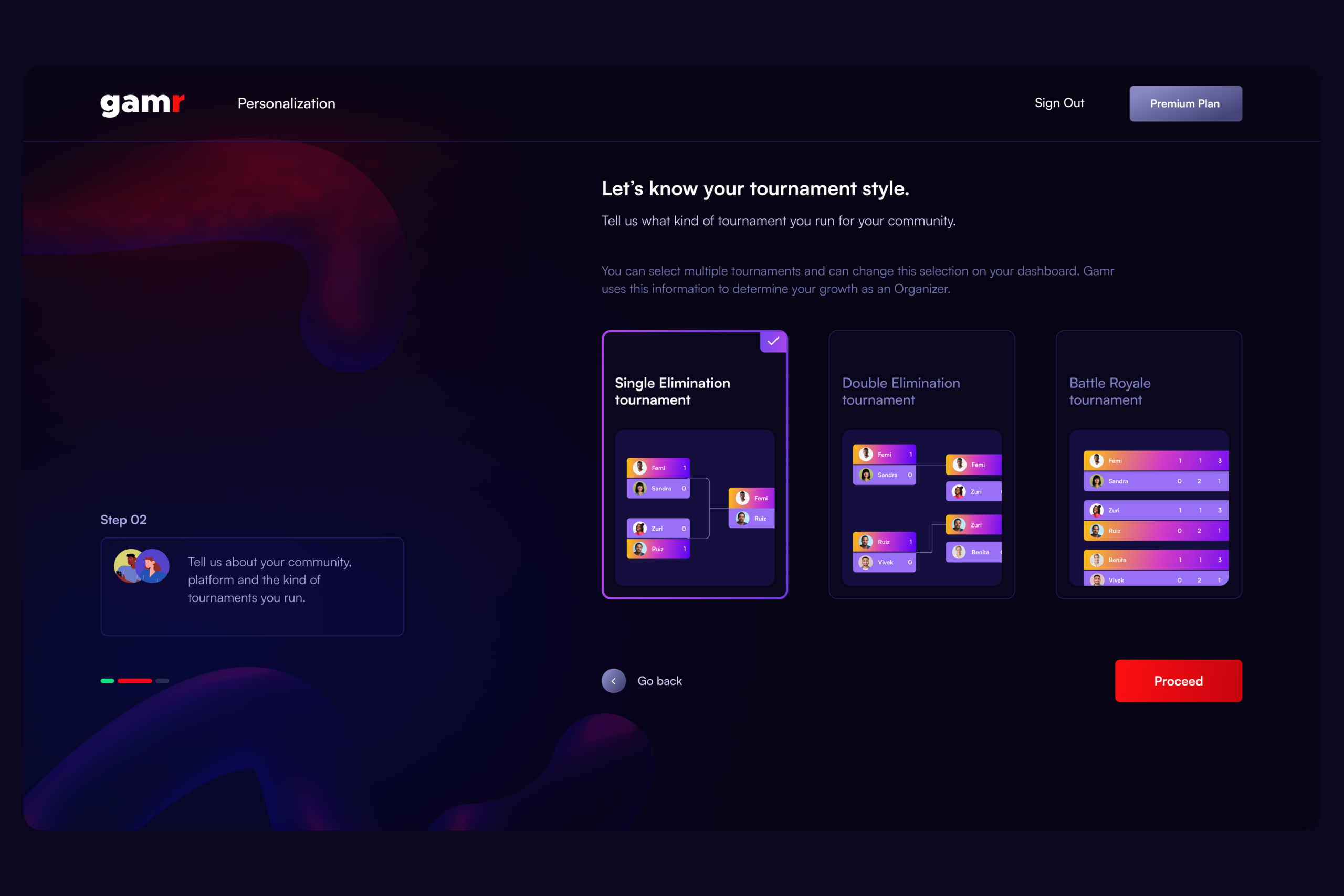
1. Onboarding

• Structured Account Setup: Users are guided through a step-by-step onboarding flow to create their first tournament workspace.

• Progressive Disclosure: Instead of overwhelming users with all configuration options at once, features are introduced gradually based on context.

• First-Tournament Guidance: Tooltips and inline prompts assist organizers in understanding formats, match structures, and participant rules.

• Workspace Initialization: Organizers can define branding, tournament type, and operational preferences early in the flow.

Impact: This reduces friction during first-time use and accelerates time-to-launch.

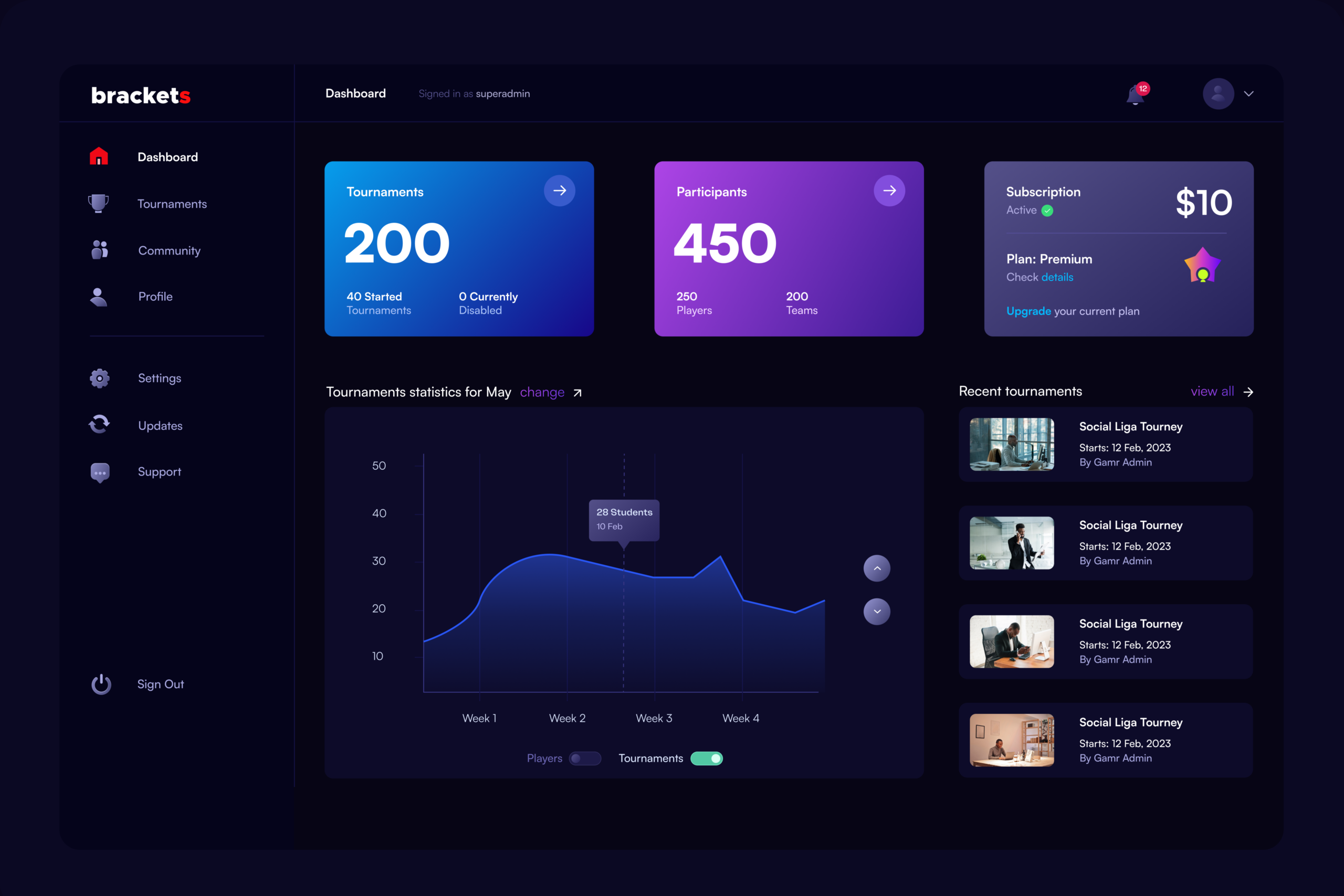
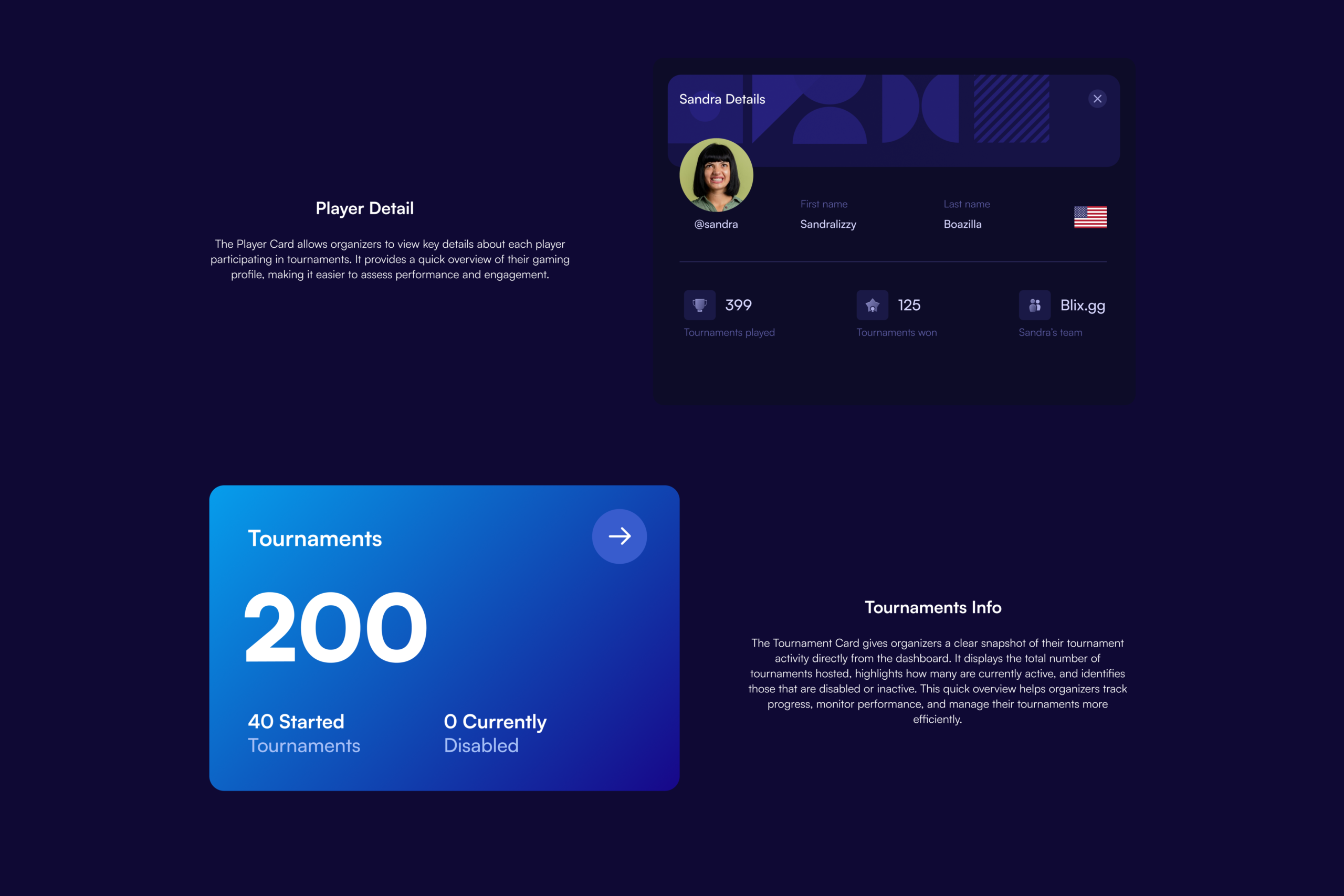
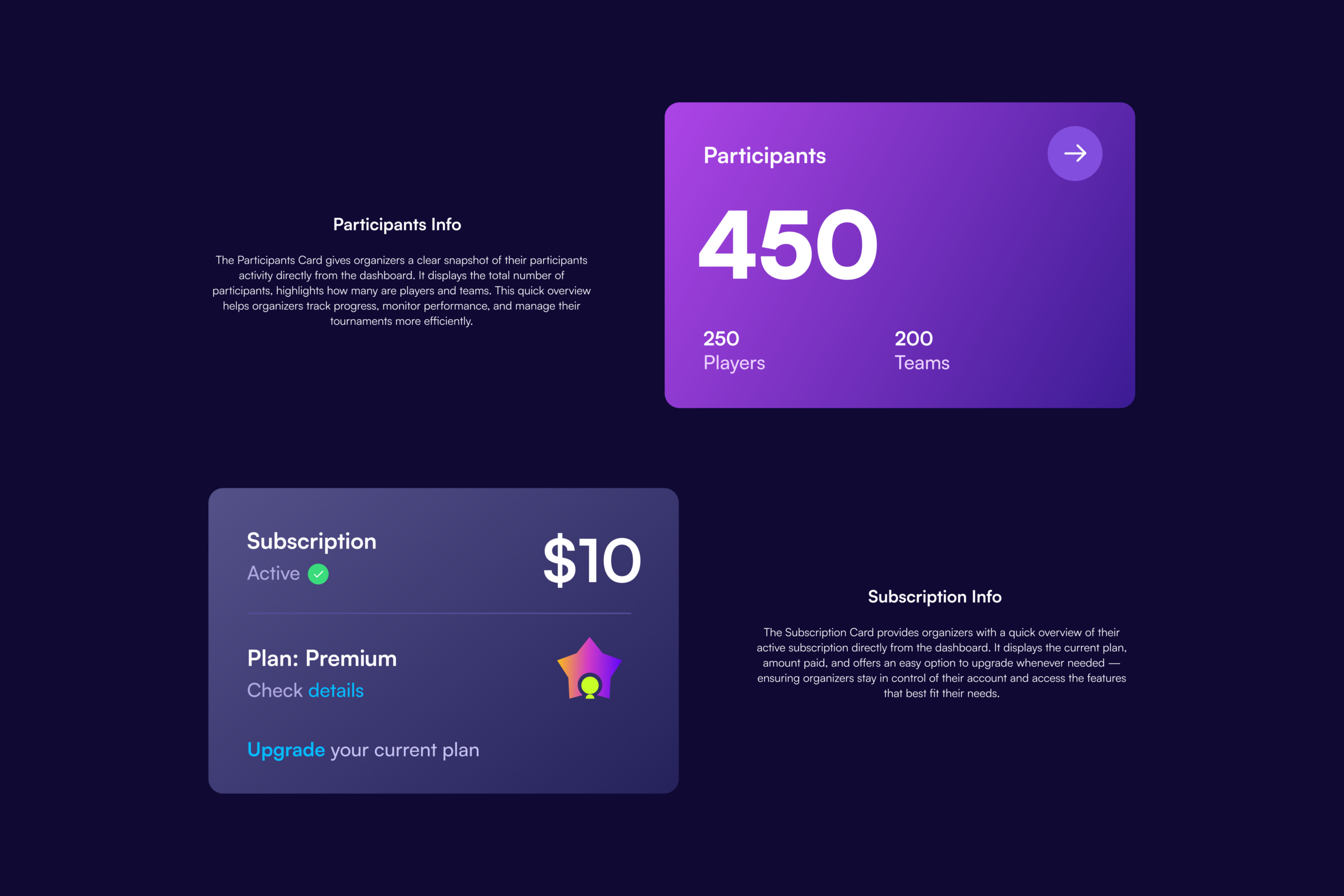
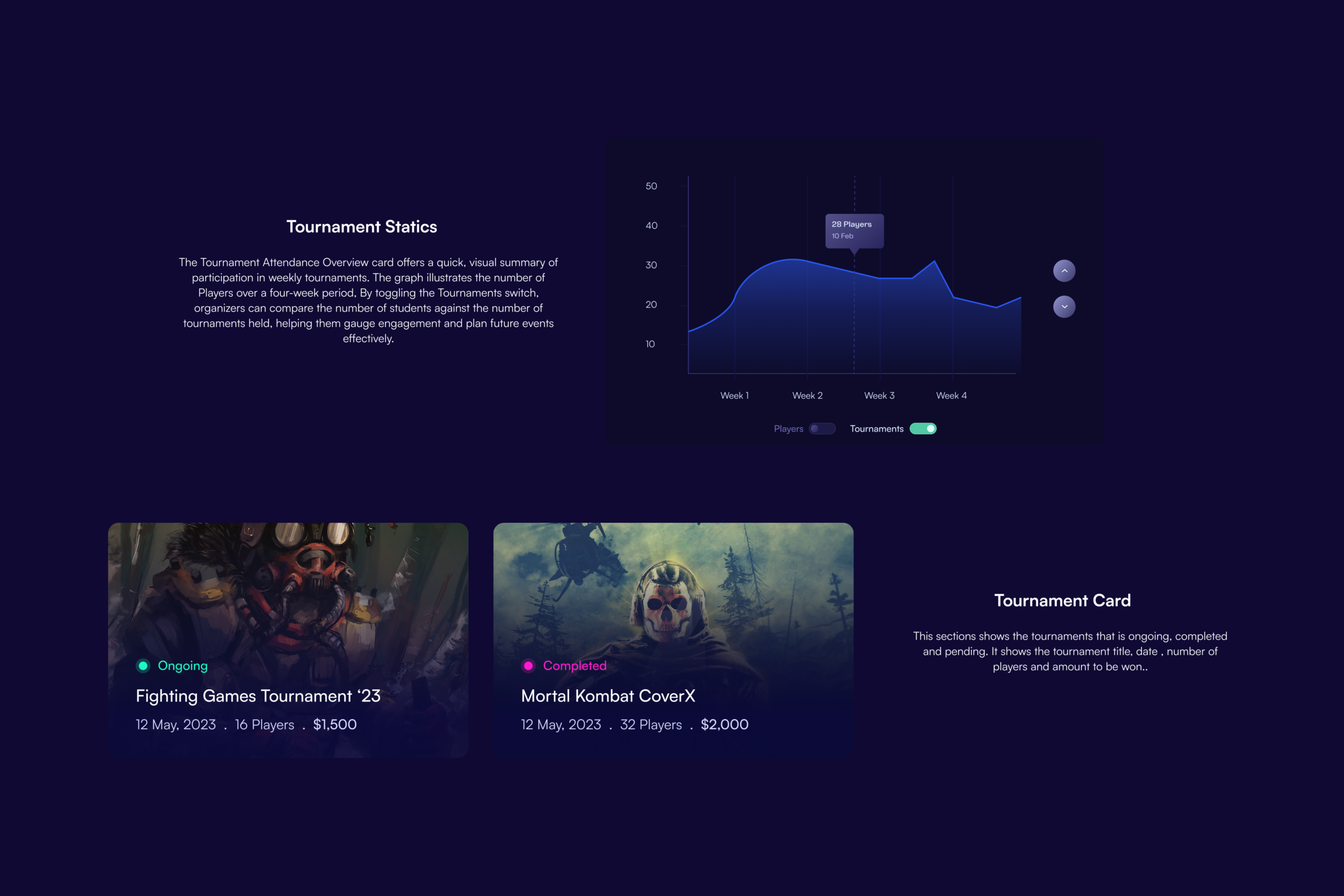
2. Dashboard & Insights

Participation Overview: Track registration numbers and active matches.

Engagement Metrics: Monitor completion rates and event progress.

 Exportable Data: Tournament data can be downloaded for reporting and archival purposes.

This enables better decision-making and operational optimization.
Impact: This increased repeat organizer usage by 30 percent.

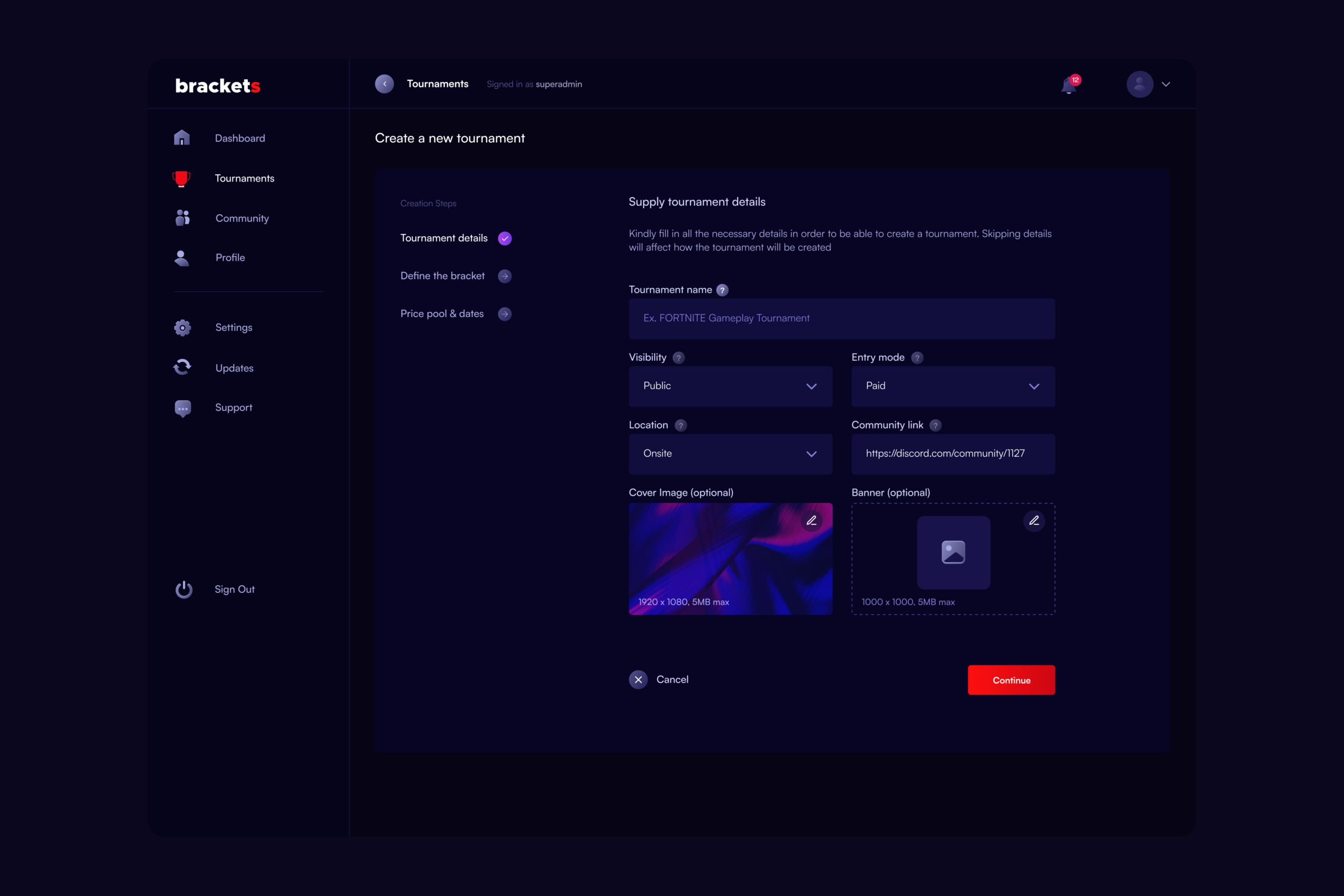
3. Tournament Creation Flow

• Guided Configuration Process: Organizers define tournament format, eligibility rules, schedule, and prize structure through a simplified setup sequence.

• Pre-Publish Validation: System checks ensure all required fields are completed before launching a tournament.

•  Editable Draft State: Tournaments can be saved and revisited before going live.

This streamlines tournament setup and minimizes configuration errors.

Impact: Reduced setup time by 35 percent and minimized configuration errors.


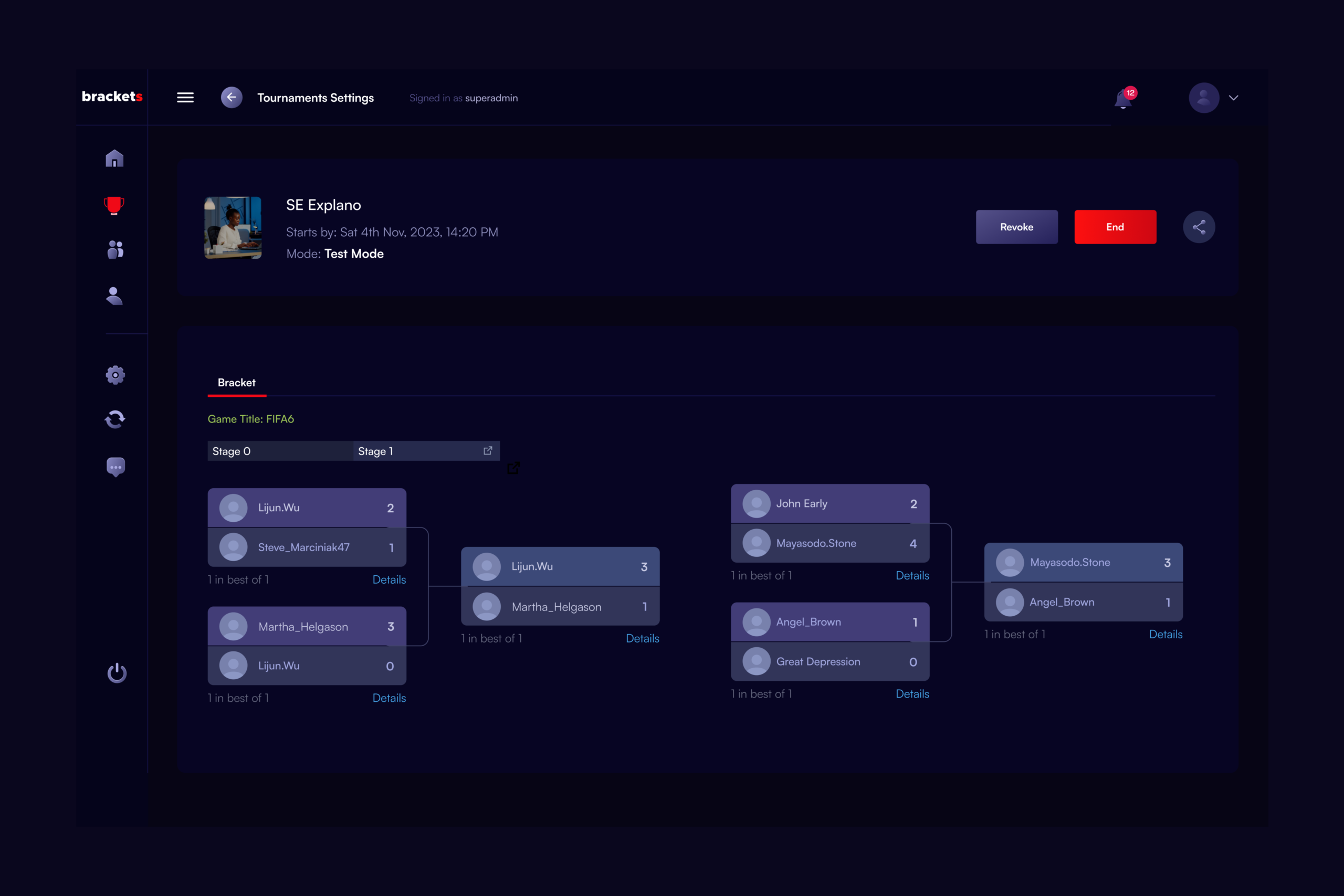
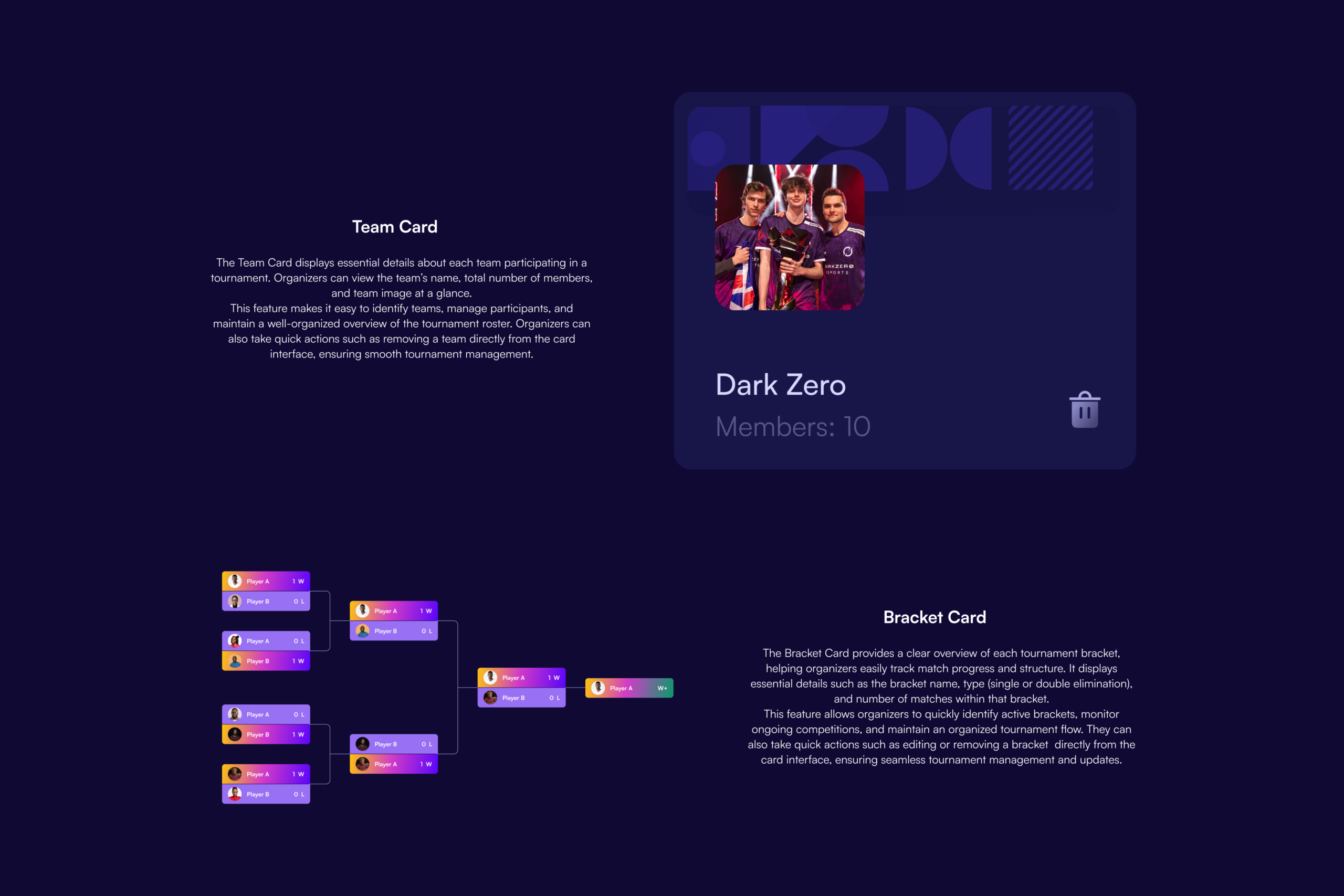
4. Automated Bracket Generation

• Dynamic Bracket Creation: Once participants are confirmed, brackets are generated automatically.

Real-Time Match Advancement: Winners progress instantly based on score input.

System-Controlled Logic: Eliminates manual bracket restructuring during live events.

This reduces administrative burden and ensures structural consistency.
Impact: Reduced manual updates by over 60 percent and improved completion rates by 40 percent.

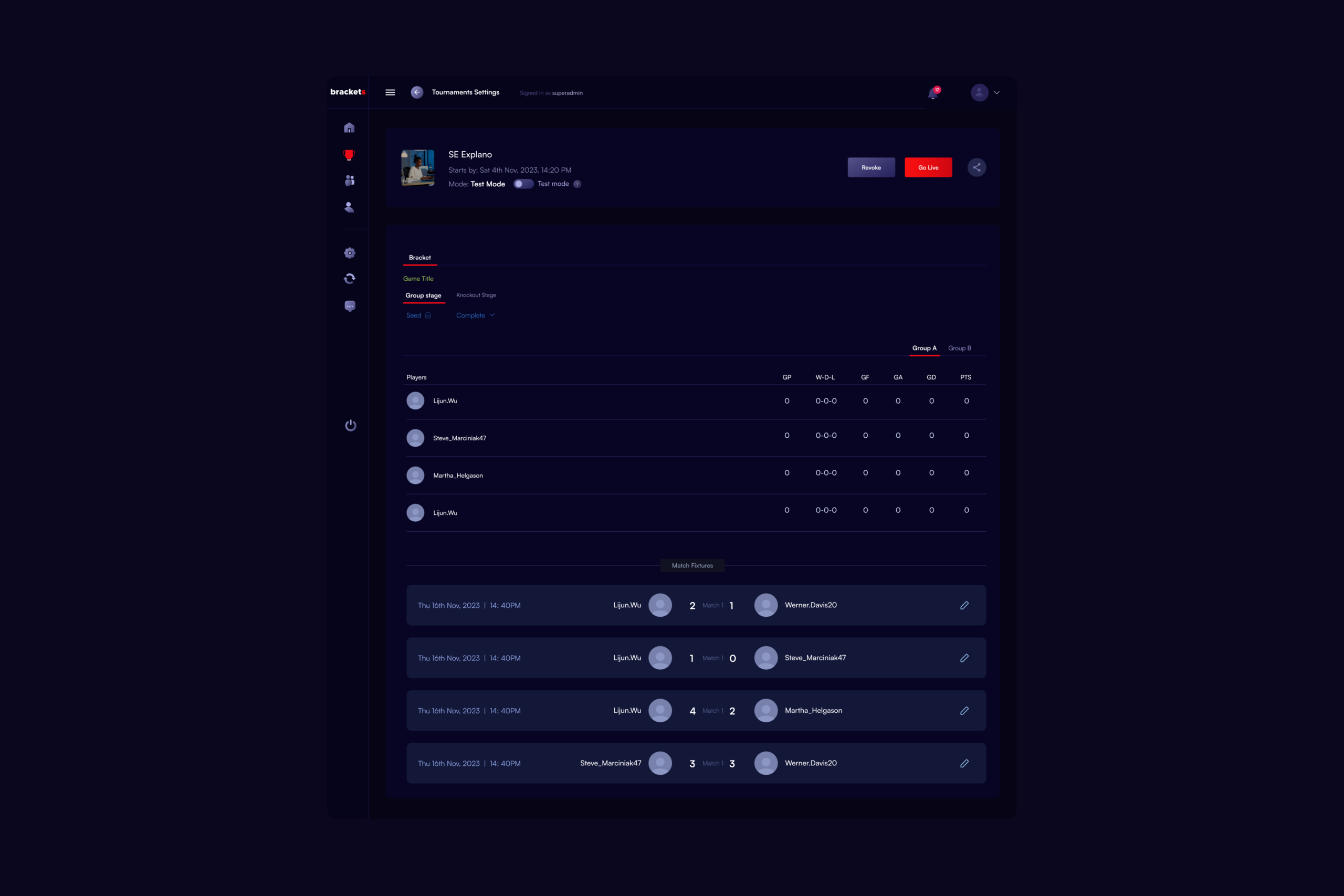
5. Live Score and Match Management 

• Centralized Score Input Interface: Organizers update match results from a single dashboard.

• Clear Match Status Indicators: Visual states distinguish pending, active, and completed matches.

• Instant Updates: Bracket views refresh in real time for all participants.

This increases transparency and reduces disputes.
Impact: Reduced disputes and improved transparency.

6. Mobile-Responsive Management

• Adaptive Layouts: The interface adjusts seamlessly across desktop and mobile devices.

• Quick-Access Controls: Core actions remain accessible without deep navigation.
•  Live Event Readiness: Designed to support in-the-moment updates during tournaments.

This ensures flexibility for organizers managing events on the go.
Impact: Improved accessibility during active tournaments.

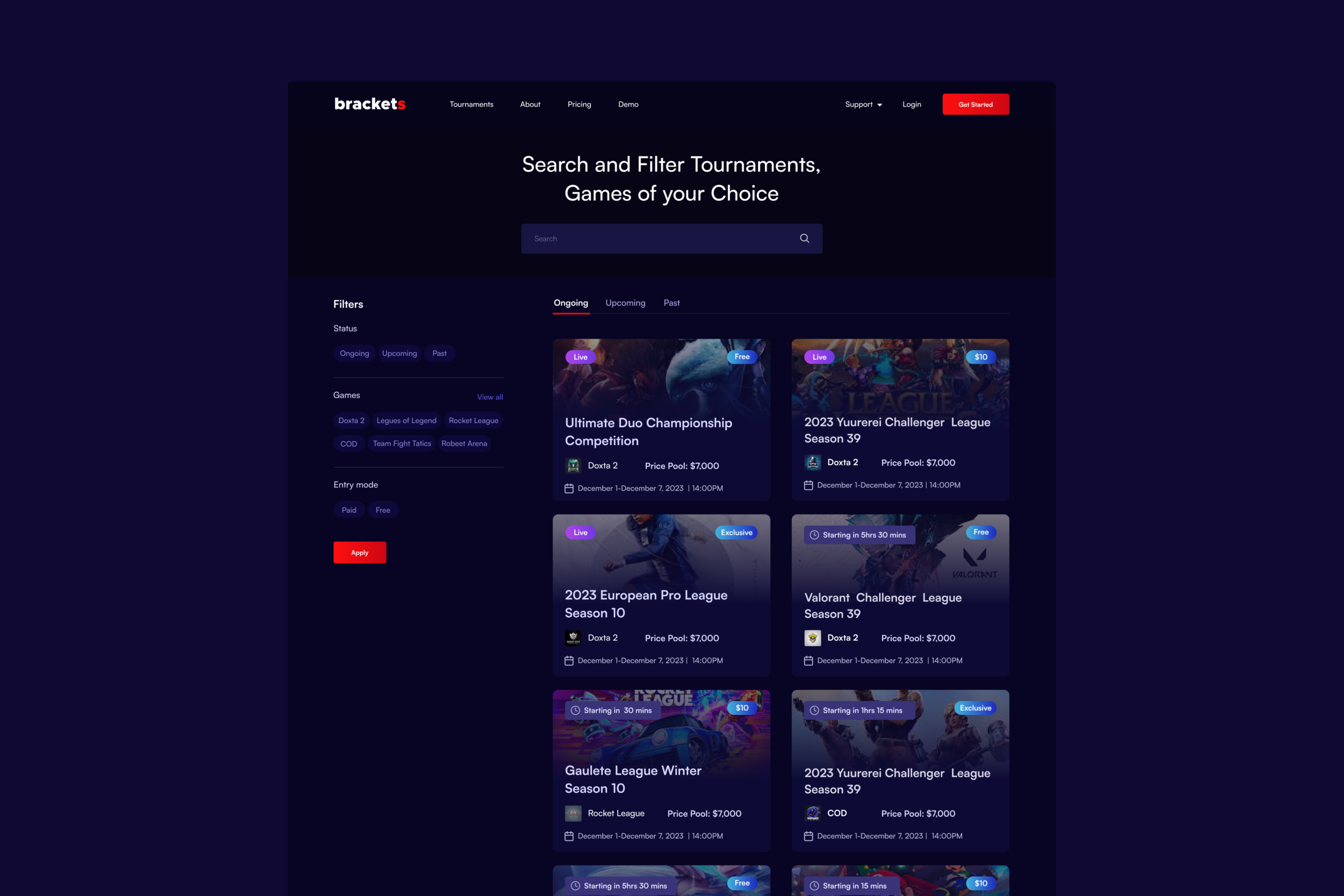
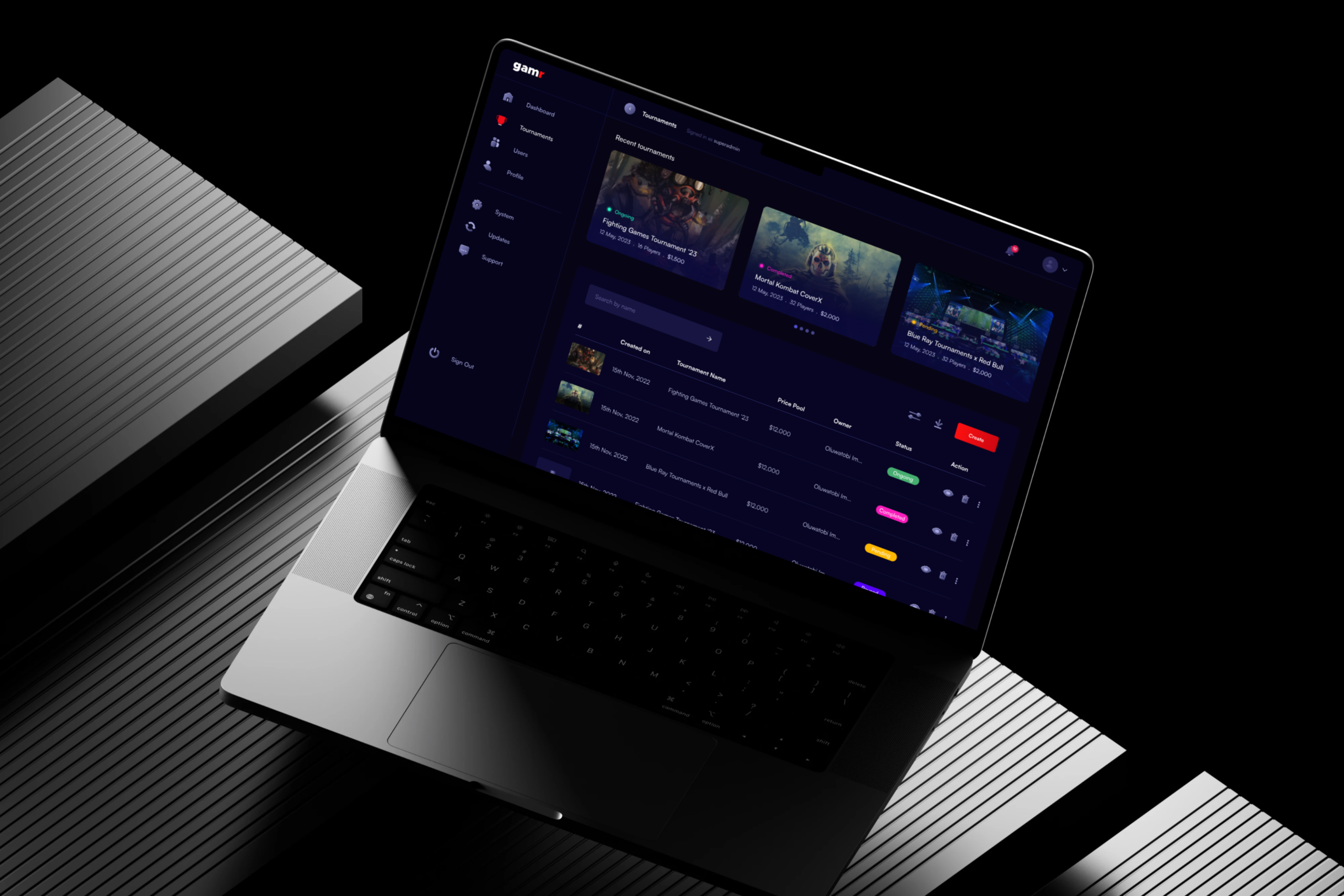
7.Tournament View Pages( For Players)

• A structured interface that enables players to discover and engage with tournaments effortlessly.

• Categorized listings for ongoing, upcoming, and past tournaments

• Filter options for free and paid competitions

• Search by tournament name or organizer

• Clear display of date, time, and format details

•Visibility into players and teams

• Transparent prize information for top winners

• Direct registration and join access

Impact: Increased tournament discovery efficiency and improved registration conversion rates.

Card Designs

Insights from testing directly informed several design changes: mental models around payments and settlements.

• Introducing a dedicated settlement page with clear payout amounts, dates, and statuses.

• Refining visual hierarchy on the wallet screen to prioritize key financial metrics.

• Simplifying payment link creation by clarifying settlement behavior upfront.

• Improving feedback states and labels to reduce ambiguity across transactions.


Outcome

By validating designs through usability testing, the final experience felt more predictable, transparent, and easier to use. Users were able to complete key tasks faster and with greater confidence, reinforcing trust in the platform’s financial workflows.

IMPACT

Gamr successfully aligned product strategy with measurable growth:

• 10,000+ downloads

• 2,510+ tournaments hosted

• 225,000+ USD in payouts

• 40% improvement in tournament completion

• 28% reduction in join flow drop-off

• 35% growth in weekly active users

LEARNINGS

This project reinforced key principles of fintech product design:

• Trust and transparency are critical in money-driven ecosystems.

• Automation drives scalability more than feature expansion.

• Visual clarity in competitive systems directly affects engagement.

• Retention improves when progress and status are always visible.

• Mobile-first design is essential in emerging gaming markets.

  • MORE WORKS MORE WORKS
  • MORE WORKS MORE WORKS
  • MORE WORKS MORE WORKS
  • MORE WORKS MORE WORKS